$4.1B
realized value on the AI-driven platform portfolio
The board is asking about AI. The LPs are asking. And your operations still run on manual work. We close that gap: agents that read, one record underneath, a person at the gate, and the senior owner to drive it, without the $500K hire.
Six sample integrations, one per desk, drawn the way we build them for private capital and insurance. Pick a desk. Left to right: what comes in, the agents and checks, the person at the gate, and the line it moves in the P&L. Patterns we build to, not case studies.
Packages land as PDFs, analysts re-key them, and the breach that matters is found at quarter-end. Firm-wide exposure to one borrower is a two-day fire drill.
1
Where it shows up in the P&LAnalyst hours off re-keying (a quarter of the year per $150–250K analyst). Breaches in-month, not at quarter-end. The LP exposure question in seconds.
The portfolio manager decides every waiver. No covenant status changes without that sign-off.
Borrowing bases are sampled, not verified line by line. Fabricated invoices and double-pledged receivables live in the gap. First Brands was the reminder.
1
Where it shows up in the P&LOne caught double-pledge pays for the build several times over. Line-level verification holds the advance rate the market just cut to 80–85%.
The credit officer approves the advance and every escalation. The judge recommends; a person releases money.
Seven-figure commitments priced on a partner’s read of a banker’s box. Duration is the silent IRR killer, and nobody has measured their own calibration.
1
Where it shows up in the P&LDuration is the IRR. A 0.4-year miss on a 2.6-year asset is real basis points across a book. Intake to IC in days.
The partner signs the IC memo. The system produces the memo and the band; the investment decision stays human.
Cycle time is set by how fast one underwriter can read physician statements. Every extra day is an applicant who went somewhere else, on acquisition cost already spent.
1
Where it shows up in the P&LPlacement rate is premium you already paid to acquire. Every point of instant-decision rate and every day of cycle time is conversion.
The underwriter decides every routed finding. Instant offers issue only where the rules, not a model, say the case is clean.
Hundreds of adjusters, each holding hundreds of files of 500 to 50,000 pages. The adjuster reads the top of the pile. The reserve is set on assumptions nobody has checked against the claims data.
1
Where it shows up in the P&LAdjuster hours first. Then the real number: a duration assumption a few percent light on a cohort is a reserve figure.
The adjuster decides the claim. The appointed actuary owns the reserve review.
Bordereaux arrive as Excel from one cedant and text files from another; one policy sits across three quota-share sessions and is reconciled by hand. On a PRT bid, a slow cleanse is a padded quote.
1
Where it shows up in the P&LReconciliation headcount first. Then unpadded quotes on the deal clock, which is share on a $48.8B market. Then returns without the fire drill.
The analyst approves the movement file; the actuary prices with the exceptions listed. Nothing outside tolerance passes without a person.
Agents that read, one record underneath, a person at the gate, and a senior owner who runs it. Take one, or take the sequence.
Track record / prior executive roles
realized value on the AI-driven platform portfolio
in reserve accuracy improvements at a global insurer
digitization accuracy across 50M+ pages of regulated records
data & AI systems shipped to production over six years
Alpha comes from operations too: the speed a submission is quoted, the days a covenant check takes, the accuracy a reserve is held to. AI is the biggest operational lever in a generation for the firms that get it into production. Most do not. That is the business we are in.
Financial services experience
 Richardson
 BMO
BMO
 Manulife
 John Hancock
 Preston Capital
 Encore Life Settlements
 Altriarch
Richardson
BMO
Manulife
John Hancock
Preston Capital
Encore Life Settlements
Altriarch
Altriarch
Richardson
BMO
Manulife
John Hancock
Preston Capital
Encore Life Settlements
Altriarch
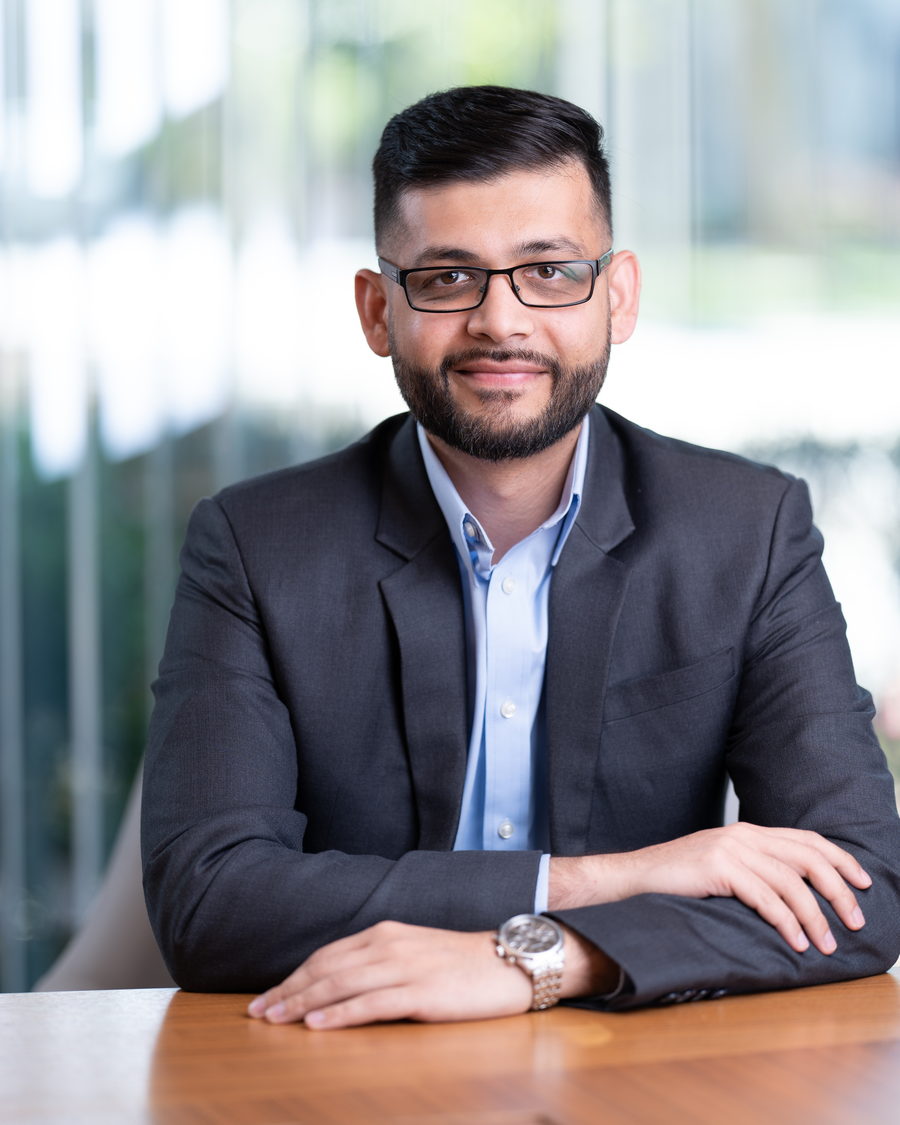
Operating Alpha is founded and personally led by Khurram Tehseen, who has started five data and AI departments from scratch. Zero-to-one builds are the specialty. The three most recent seats:
The platforms those teams built carried $4.1B in realized value, with 34 systems shipped to production.
Book a 30-minute conversation. No deck, no pitch. Video or phone. You’ll leave with a sharper picture of the problem either way.
If it’s not a fit, we’ll tell you who is.